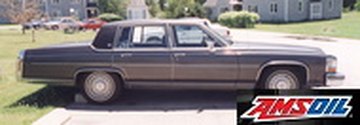
Engine Lubrication and Maintenance for the 1982 Cadillac FLEETWOOD 4.1L
Maintaining a classic luxury vehicle like the 1982 Cadillac Fleetwood requires a disciplined approach to routine service. With the 4.1L engine, consistent attention to lubrication and fluid integrity is essential for preserving the mechanical condition of the powertrain. Because vehicles from this era have been in operation for several decades, maintenance strategies often shift from simple part replacement to a more observant, condition-based monitoring system.
Monitoring Fluid Integrity and Potential Seepage
One of the most effective ways to monitor the health of the 4.1L engine is through regular visual inspections of the engine bay and undercarriage. Over time, various gaskets and seals may experience changes in elasticity due to heat cycles and age. Rather than assuming a component has failed, owners should look for evidence of seepage or active leaks.
When performing routine checks, pay close attention to the following areas:
- Sealing Surfaces: Inspect various connection points where metal meets gasket material for any signs of dampness or oily residue.
- Drain Areas: Check the area around the oil pan and drain plug for any accumulation of old lubricant that might indicate a slow leak.
- External Connections: Look for any fluid that may be migrating from upper engine components toward lower areas.
If you notice new signs of moisture or staining in these areas, it warrants further investigation to determine if the seepage is active or merely residual from a previous service. Addressing minor seepage early can prevent more significant issues later.
Observing Changes in Engine Performance and Lubricant Condition
Beyond visual inspections for leaks, an owner should remain attentive to how the vehicle behaves during operation. Changes in the way the engine sounds or smells can be early indicators that something requires attention. It is important to remember that many different factors can cause a single symptom; therefore, any change should be viewed as a prompt for inspection rather than a definitive diagnosis.
Potential signs that warrant a closer look include:
- Changes in Lubricant Appearance: If the oil on the dipstick appears significantly darker or has an unusual texture compared to previous changes, it may indicate the lubricant is working hard to manage contaminants.
- Unusual Odors: A distinct smell of burning oil can sometimes suggest that lubricant is contacting a hot external surface, which should be investigated to find the source.
- Changes in Consumption: If you find yourself needing to add more oil between service intervals than was previously necessary, this change in consumption pattern should be noted and monitored.
By staying observant of these subtle shifts, you can move from reactive repairs to a more proactive maintenance stance.
Prioritizing Long-Term Engine Care
As a vehicle ages, the philosophy of maintenance often evolves. For a 1982 Cadillac Fleetwood, the goal is to maintain a baseline of operational excellence by focusing on what the specific vehicle needs right now, rather than following generic age-based assumptions. This means prioritizing tasks based on the actual condition of the components.
A helpful approach for long-term ownership involves reviewing all available service records. If you are operating the vehicle without a complete history, your first priority should be establishing a maintenance baseline. This is done by thoroughly inspecting all fluids and major service items to understand the current state of the engine. Once this baseline is set, you can prioritize your efforts:
- Address Active Concerns First: If an inspection reveals an active leak or a component that is showing signs of wear, these should take precedence over general preventive tasks.
- Monitor Fluid Trends: Keep a log of how much oil is used between changes and the condition of the fluid. This data is more valuable than any generic service interval.
- Inspect Aging Materials: Periodically check items like hoses (if present) and accessible belts (if equipped) for signs of cracking, glazing, or fraying.
This methodical approach ensures that maintenance efforts are directed where they will provide the most benefit to the vehicle's longevity.
The Role of High-Mileage Formulations
For engines that have seen significant years of service, the choice of lubricant can be a nuanced decision. Some high-mileage oil formulations are specifically designed with additives intended for use in aging engines. These formulations may include seal-conditioning additives, which are intended to help maintain the flexibility of various seals and gaskets.
While these products can be a useful tool in a maintenance toolkit, they are not a substitute for addressing mechanical failures or significant leaks. They are best used as part of a comprehensive strategy to manage the natural aging process of an engine's sealing components.
Practical Steps for Engine Inspection
When performing your own inspections, it is helpful to have a systematic method. Start with a cold engine to check fluid levels accurately using the dipstick. Once the engine is warm and has been operated normally, a second check can sometimes reveal how the oil behaves under thermal stress. During these checks, also look for any evidence of previous maintenance neglect, such as heavily contaminated oil or debris in the engine bay, which can help you understand the historical care the vehicle has received.
If your inspection reveals any unexpected findings—such as a change in the color of the coolant or an unusual noise during startup—do not attempt to diagnose the issue through guesswork. Instead, use these observations to guide a professional technician toward the likely source of the problem.
Buying Engine Oil for your 1982 Cadillac FLEETWOOD 4.1L
When it is time to replenish your engine's lubrication, accuracy in selection is paramount. To ensure the best possible protection and performance for your 4.1L engine, you must match the lubricant to the specific requirements of your vehicle. Do not rely on general automotive knowledge or assumptions based on the age of the Cadillac.
Always refer to the application-specific oil viscosity and information provided on this webpage before making a purchase. When selecting a product, consider the following practical steps:
- Verify the Viscosity: Match your selection exactly to the vehicle-specific viscosity information shown above.
- Check Product Labeling: Before finalizing your purchase, confirm that the bottle's specifications align with the requirements listed in your application data.
- Evaluate Oil Types: Depending on your maintenance goals and the current condition of your engine, you may choose between conventional, synthetic blends, or full synthetic oils. If the engine shows signs of significant age, you might also consider high-mileage formulations that contain seal-conditioning additives.
- Confirm Quality Standards: Ensure the oil meets the appropriate API certification standards for modern service.
By following the specific guidance provided in the application data on this page, you can ensure that your 1982 Cadillac Fleetwood receives the correct lubrication necessary for continued operation.